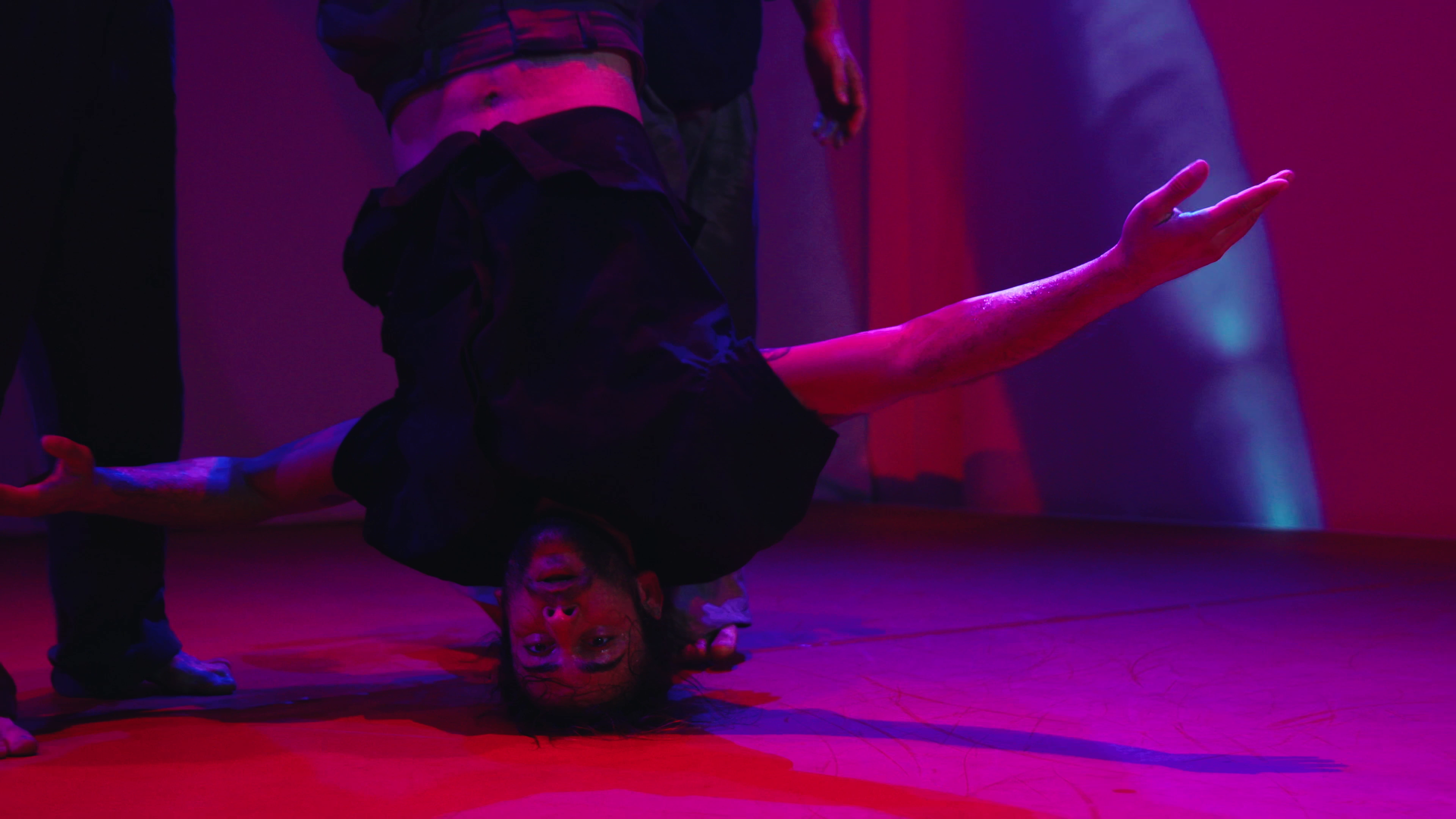
UNFOLDING
Dance Performance
In UNFOLDING, care becomes a physical process: paying attention to one another, living with uncertainty, searching for closeness and having the right to keep a distance.
Three dancers, who have been connected to the ensemble since PAN.OPTIKUM’s European project People Power Partnership, encounter one another in a constantly shifting network of attraction, withdrawal, trust and resistance.
The performance explores how people can stay connected when old patterns, protective mechanisms or vulnerability come to the surface. Dance and video projections create a shared space in which inner images, memories and traces of relationships become visible.
UNFOLDING shows moments in which relationships begin, reach a turning point, change and perhaps become possible again in a new way.
Dancers:
Sofia Missionario de Santos, Lisbon
Adrian Herrera Rubias, Mérida
Kien Trinh, Utrecht/Freiburg
Music: Tobias Schwab
Video: Jānis Putniņš
Lighting: Tim Weseloh
Assistance: Dagmar Ortmann
Choreography: Jānis Putniņš
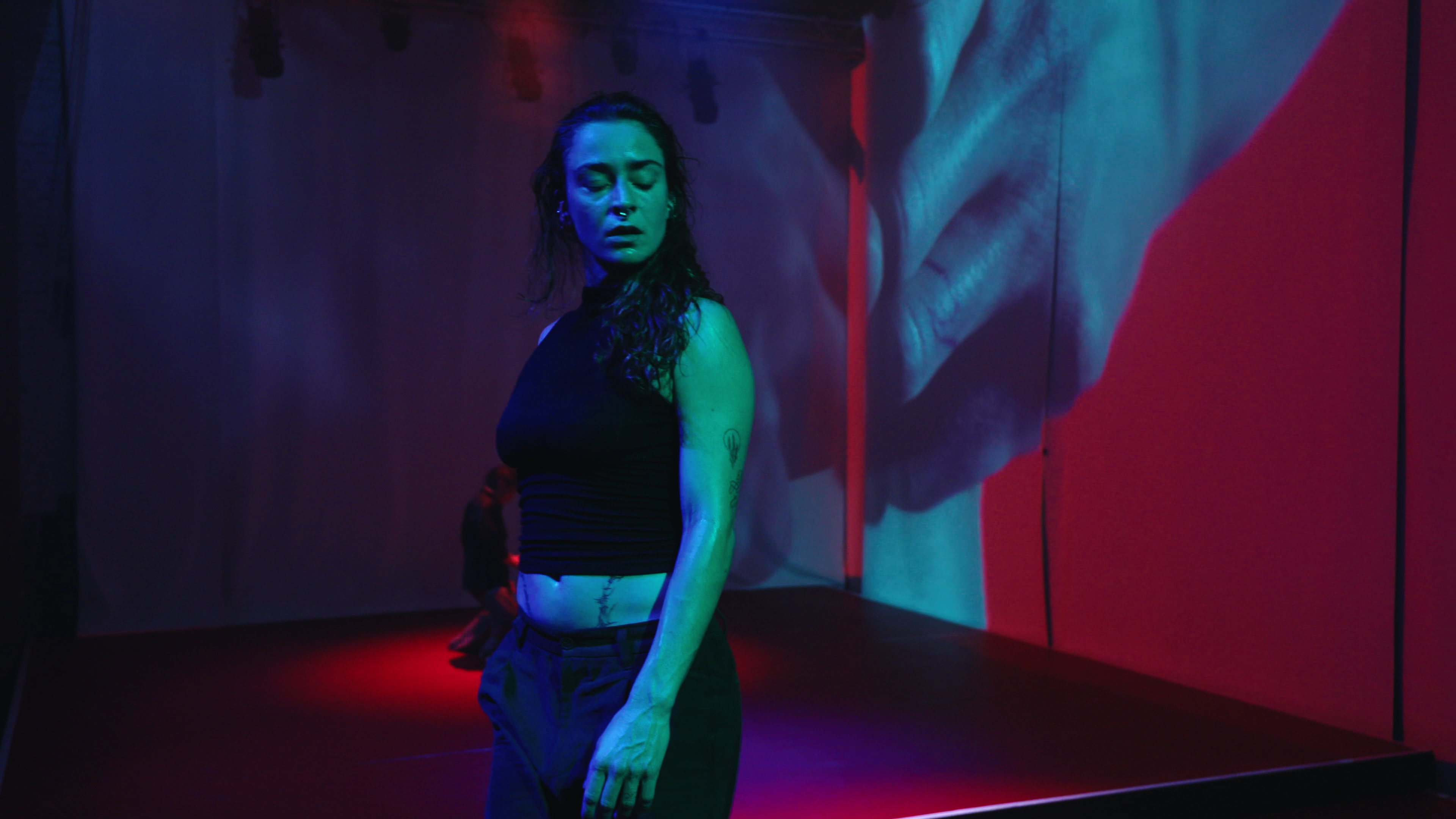
From the programme:
WHO CARES? asks what care means today in our relationship with ourselves, with others and with the relationships that shape who we are. We often think of care as something we offer to others: looking after people, supporting a community or providing practical help.
UNFOLDING raises another question: How can we care for others or connect with them if we are barely aware of what is going on inside ourselves?
The performance therefore begins with what happens within us. At its centre is a growing inner pressure, searching for a way to express itself before it finally breaks through. Tension becomes a sign that something is out of balance. It may come from fear, suppressed feelings, past experiences or parts of ourselves we have forgotten but are beginning to feel again.
In this context, care means recognising our own inner tensions rather than ignoring or suppressing them. It means allowing ourselves to be vulnerable, uncertain and contradictory without immediately trying to cover it up. Becoming more aware of our own inner complexity can also help us understand the contradictions in others. It offers an alternative to labelling people, blaming others or seeing everything in terms of opposing sides.
These ideas are at the heart of the performance:
How can we connect with others when we are struggling with ourselves? How do fear, the need to protect ourselves, memories and old patterns affect our ability to let others get close? And how can things begin to change when we recognise our habitual reactions and discover other ways of responding?
Care, then, is about being able to stay in dialogue with complexity, both within ourselves and in our relationships with others, even when things remain uncertain or unresolved.
The performance creates space for conflicting feelings, for listening and for change. It asks whether genuine connection might begin when we learn to accept that not everything can be resolved.
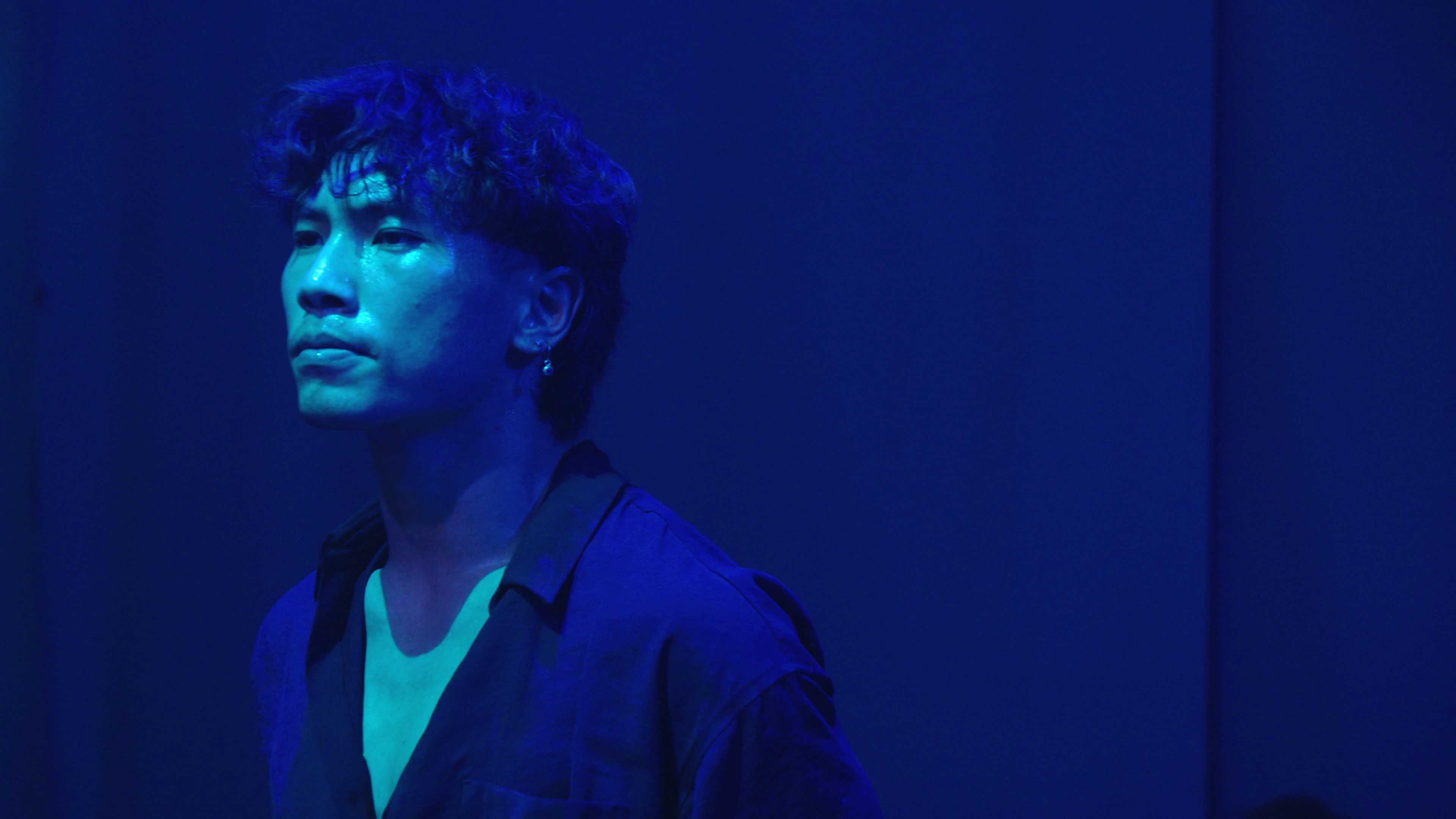
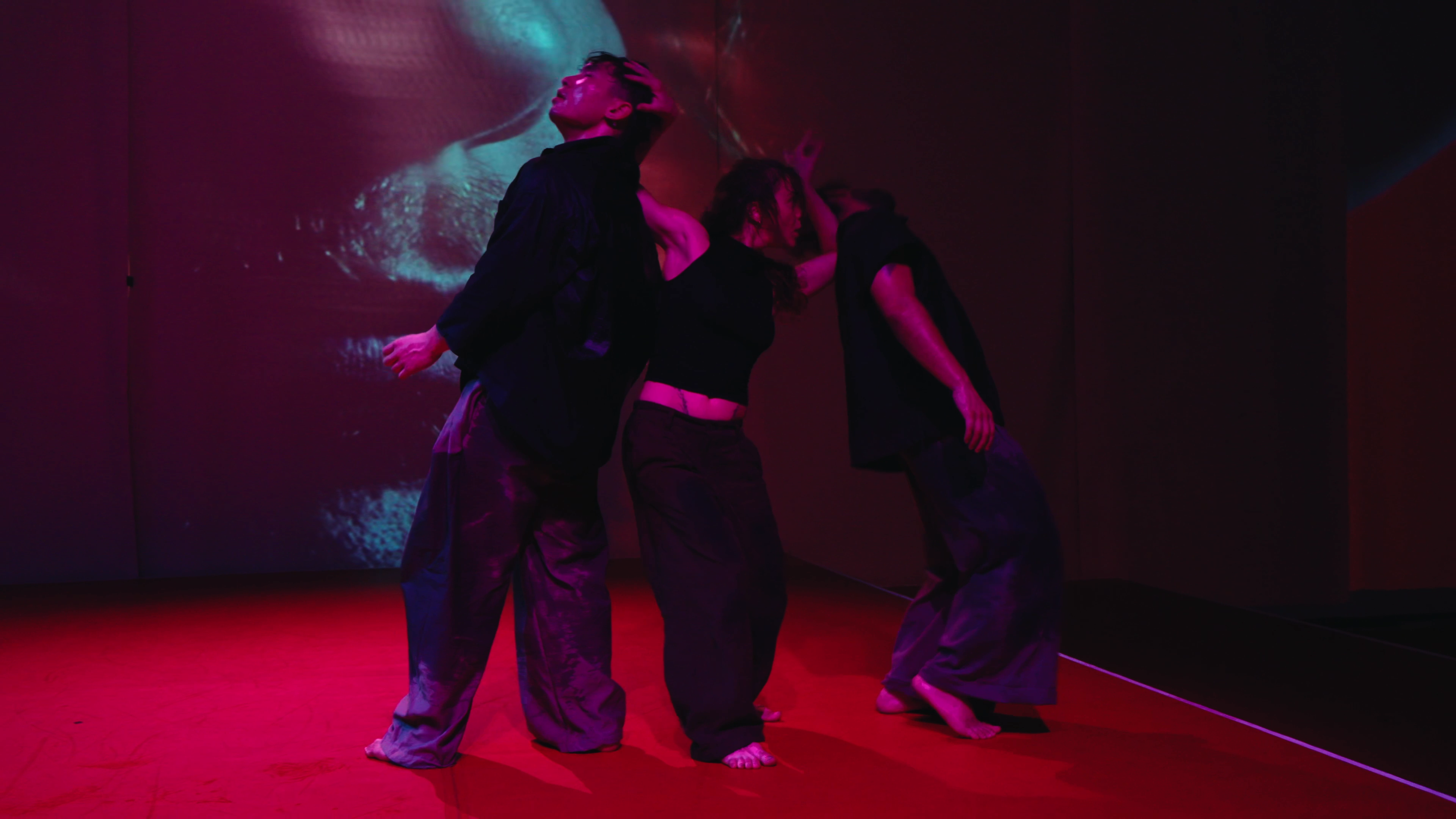
UNFOLDING centres on three performers, each carrying their own experiences, memories and inner struggles. They meet as individuals whose inner tensions shape the way they move and respond to one another.
The choreography shifts between solos and moments of connection. It begins with each performer’s relationship with themselves before exploring how they relate to others. What we carry within us affects our ability to connect. Fears, defence mechanisms, unresolved tensions and past experiences all influence how we approach other people.
The three performers share the same space but initially remain separate. They stand side by side, circle one another, move closer, lose contact, pull away or become dependent on each other. A paradox emerges: we can be physically close to someone yet feel emotionally far apart.
The choreography explores how our inner worlds find expression through movement. Pressure, resistance, weight, breath, hesitation, repetition, tension and opposing forces become part of the physical language of the piece. The performers seek release, control, distance or connection. Their movements are shaped not only by their encounters with one another, but also by what is happening within them.
The encounters between the three performers reveal familiar patterns: self-protection, control, adaptation, withdrawal, holding on or avoidance. UNFOLDING explores what happens when these patterns begin to shift. They become visible in a gesture, a glance, a pause, a repeated movement or an attempt to stay in control. Recognising a pattern opens up the possibility of choice. Must I react as I always have? Could I respond differently? Could withdrawal become connection, or self-protection give way to openness?
These moments are fragile. The underlying tension does not disappear, but the way we experience and respond to it begins to change. Closeness can be unsettling or frightening. The desire to be seen exists alongside the fear of revealing ourselves. The trio moves between these opposing impulses. Sometimes a performer remains caught in a familiar pattern. At other moments, something shifts, allowing a different response, a different way of listening or being present. Gradually, the performers search for common ground, for trust and for a connection that can exist without everything being resolved. Change remains uncertain, temporary and always open to question.
The title UNFOLDING reflects this open-ended process: something gradually opens up, becomes visible and finds space.